

CONTACT US |

Backflow Prevention

What is a Backflow Preventer?

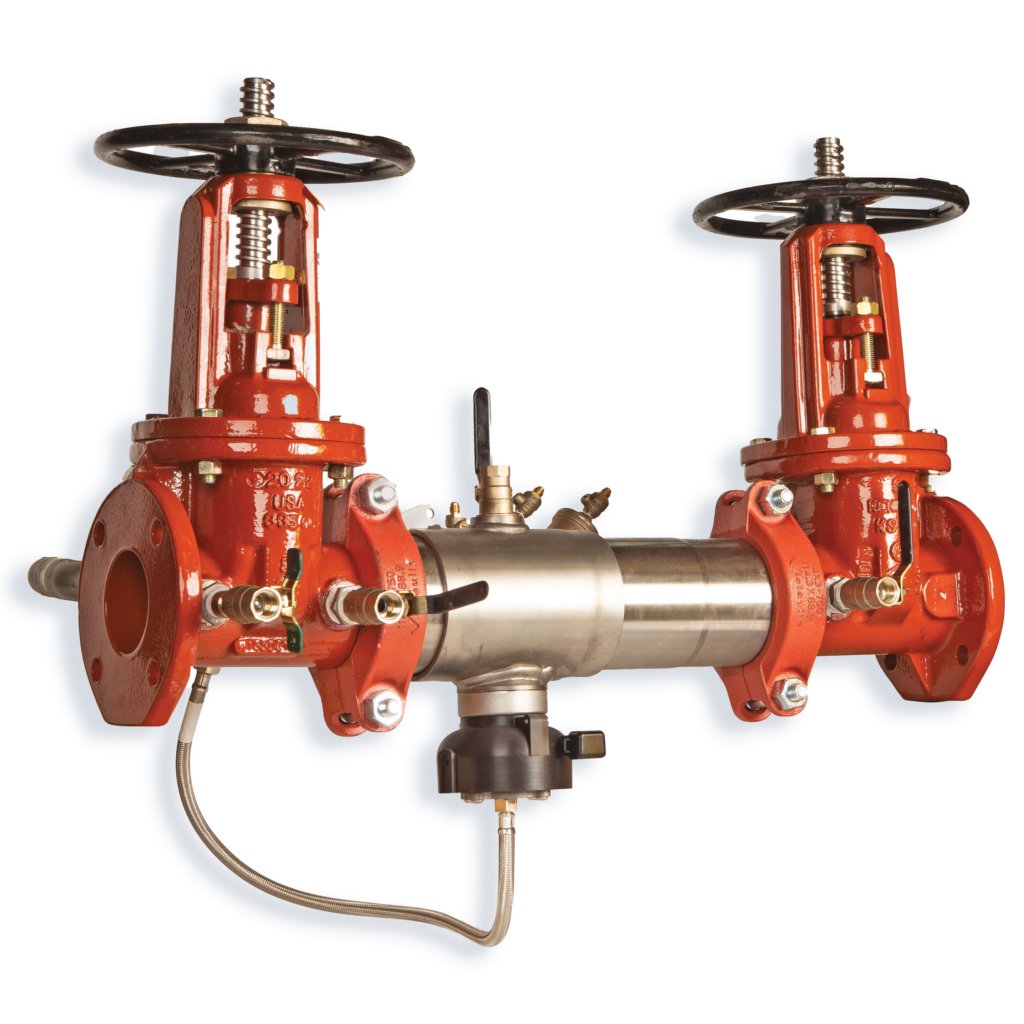
A backflow preventer is a mechanical device installed on a water system to protect water from contamination. It allows water to flow in one direction, while preventing polluted or non-potable water from flowing backward into the public water supply.

Backflow preventers activate when there is a change in water pressure, such as during a water main break, fire suppression use, or heavy demand on the system. Without a backflow preventer, contaminants like chemicals, bacteria, or wastewater could be drawn into the potable water system.

These devices are required by most municipalities and must be routinely tested and maintained to ensure they are functioning properly and keeping water supplies safe and compliant

Full Service Backflow Management

Here’s what you can expect:

  • Our technicians are certified, licensed, approved and insured to test irrigation, fire, bypass, and domestic backflow devices.
  • We partner with local federal and state regulators for each location.
  • Our technicians are licensed and approved to repair and install device types
  • Creation of an annual testing schedule for all locations.
  • We catalog the number, make, serial number, and location of all your backflow devices

Received a City Notice?

When you receive a city notice for backflow testing, it means your local water authority requires verification that your backflow preventer is functioning properly and protecting the public water supply. 

1. Confirm the Deadline and Device Information

The Notice will provide the compliance deadline and identify the specific backflow preventer that must be tested.

2. Schedule a Test With a Certified Backflow Tester

Contact a licensed and certified backflow technician to perform the required test before the deadline.

3. Submit Test Results To Your Water Authority

Confirm that your technician submits the official test results to the local authority on your behalf. 

4. Did Your Preventer Pass or Fail?

Pass: No Further action is required until the next testing cycle. 

Fail: The Device must be repaired or replaced. Consult with your testing technician for next steps. 

5. Repair/New Installation and Re-Test (If Needed)

Once the repair or installation is completed, the preventer will need to be tested to confirm proper functionality. Submit results to the city. 

6. Compliance Confirmed 

Once the results are accepted by the city, your property remains in compliance and water service continues uninterrupted. 
consectetur adipiscing consectetur

OUR CLIENTS

WHO WE WORK WITH