
Well Water Testing and Management
Understanding Regulatory Requirements
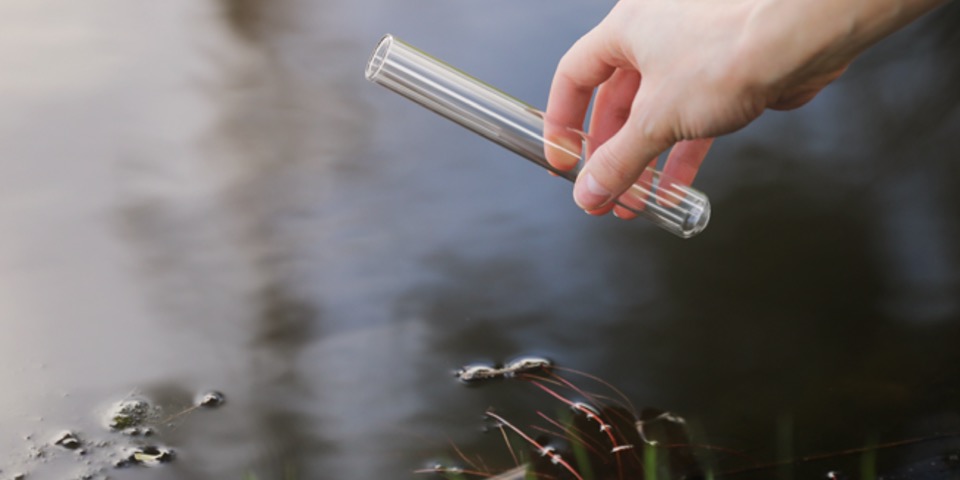
Companies that operate on private well water are responsible for ensuring their water meets local, state, and federal health standards. Many jurisdictions require routine well water testing—especially for commercial, industrial, and food-service operations—to verify the water is safe for use.
Common Bacteria Found in Well Water:
- Coliform – Indicates the potential presence of contaminants entering the well system
- E. coli – Signals possible fecal contamination and an immediate health risk
- Iron Bacteria – Causes odor, staining, and biofilm buildup
- Sulfur Bacteria – Produces “rotten egg” odors and taste issues
Testing and Management
Schedule Routine Well Water Testing:
Water Samples are collected by a qualified professional and sent to a certified laboratory for analysis. Testing frequency may be annual, semi-annual, or more frequent depending on local regulations and system type.
Laboratory Analysis is Performed:
Samples are tested for contaminants, with a primary focus on bacteria and overall water quality indicators.
Review Test Results:
Negative Results: No harmful bacteria detected; the well remains compliant.
Positive Results: One or more bacteria types are present and corrective action is required.
Well Cleaning and Disinfection (Positive Results):
1. A Chlorination or disinfection process is applied to eliminate bacteria
2. The system is flushed thoroughly to remove disinfectants and contaminants
Re-Testing After Disinfection:
A follow-up sample is collected and tested to confirm the bacteria has been successfully eliminated.
Ongoing Well Management:
Regular Testing, Documentation, and preventative maintenance help ensure long-term compliance, protect employee and customer health, and reduce the risk of future contamination.